


Any Question
+91-886 604 0675
Get In Touch With Us
Connect with Indxport
Ready to take the first step towards unlocking opportunity realizing goals, and embracing innovation?
-
 CALL ANY TIME
8866 040 675
-
 SAY HELLO
info@indxport.com


-
- 23 Feb, 2026
- 9 Views
- 0 Comments

In 2026, the global marketplace is faster than ever, but it’s also more volatile. For businesses in India, maintaining a steady flow of raw materials—whether it’s metal scrap for production or furnace oil for energy—is the difference between meeting a deadline and losing a contract.
At Indxport, we’ve spent years perfecting the movement of industrial goods. We know that a “resilient supply chain” isn’t just a buzzword; it’s your business’s lifeline. Here is how to protect your operations this year.
1. Diversify Your Sourcing Portfolio
Relying on a single source for materials like bitumen or fuel is a high-risk strategy.
- The Indxport Approach: We maintain a multi-channel sourcing network, ensuring that if one route is blocked, your supply remains uninterrupted.
2. Embrace Real-Time Digital Tracking
In 2026, “it’s on the way” is no longer an acceptable answer.
- Strategy: Use partners who provide transparent tracking. Knowing exactly where your shipment is helps you manage your plant’s production schedule more accurately.
3. Quality Compliance at the Source
Supply chain disruptions often happen at the inspection stage. If your scrap metal doesn’t meet international standards, it gets stuck in customs.
- Internal Link: Learn more about our Quality Control Standards at Indxport to see how we prevent these delays.
4. Strategic Buffer Stocking
The “Just-in-Time” model of the past is being replaced by “Just-in-Case.”
- Strategy: Keep a 15-day buffer of essential fuels. Indxport helps clients calculate their optimal buffer levels to balance storage costs with operational safety.
5. Local Expertise for Global Logistics
Navigating the ports and regulations of India requires local knowledge.
- Why Indxport? Based in the heart of Gujarat’s industrial hub, we understand the local infrastructure better than anyone, allowing us to bypass common logistical bottlenecks.
6. Sustainability is a Requirement, Not an Option
By 2026, many export markets require proof of “Green Logistics.”
- Strategy: Ensure your supply chain partners are optimizing routes to reduce carbon footprints. This isn’t just good for the planet; it’s required for global trade compliance.
7. Build Partnerships, Not Transactions
The most resilient supply chains are built on trust. When materials are scarce, suppliers prioritize their long-term partners.
- The Indxport Promise: We don’t just ship products; we build partnerships that help your business scale.
Conclusion
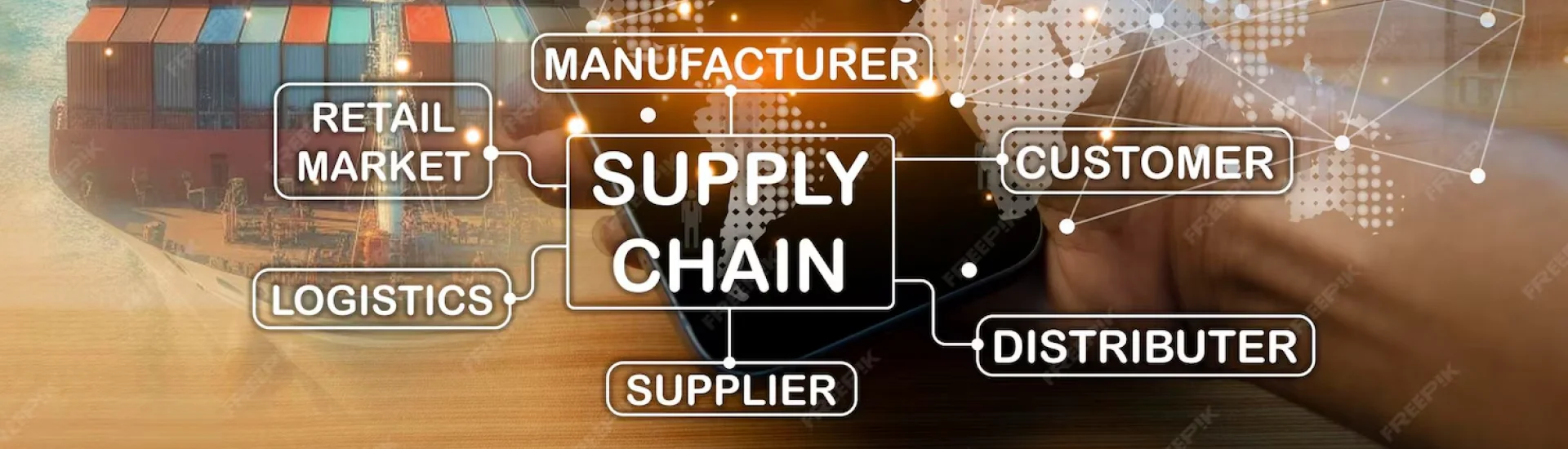
A resilient Industrial Supply Chain 2026 requires a mix of technology, local expertise, and strategic planning. By partnering with a dedicated provider like Indxport, you can focus on what you do best—manufacturing—while we handle the complexities of the move.
Is your supply chain ready for the challenges of 2026? Indxport



Leave A Comment: